Inclusive Workforce Trainings

Many employers overlook a valuable source of talent: Ukrainian refugees who care for family members with disabilities. Many are currently living in Germany and Poland. Their experience can foster resilience, strong organisational skills and empathy—qualities that can enrich teams and workplaces.

Our training sessions supported local employers in preparing to recruit and work with this group, while deepening their understanding of participants’ needs. The sessions were designed for employers, HR professionals, customer-facing staff, NGOs, social enterprises and anyone interested in creating more inclusive workplaces.

Participants explored how to:

Build inclusive, respectful teams

Communicate more effectively with people with disabilities and people from diverse backgrounds

Create accessible, welcoming customer experiences

Strengthen employee motivation and retention

Develop contemporary approaches to leadership and recruitment

The programme combined practical case studies, role-play, reflection and peer exchange. Participants also worked with practical tools, templates and 30–90-day action plans to help put their learning into practice.
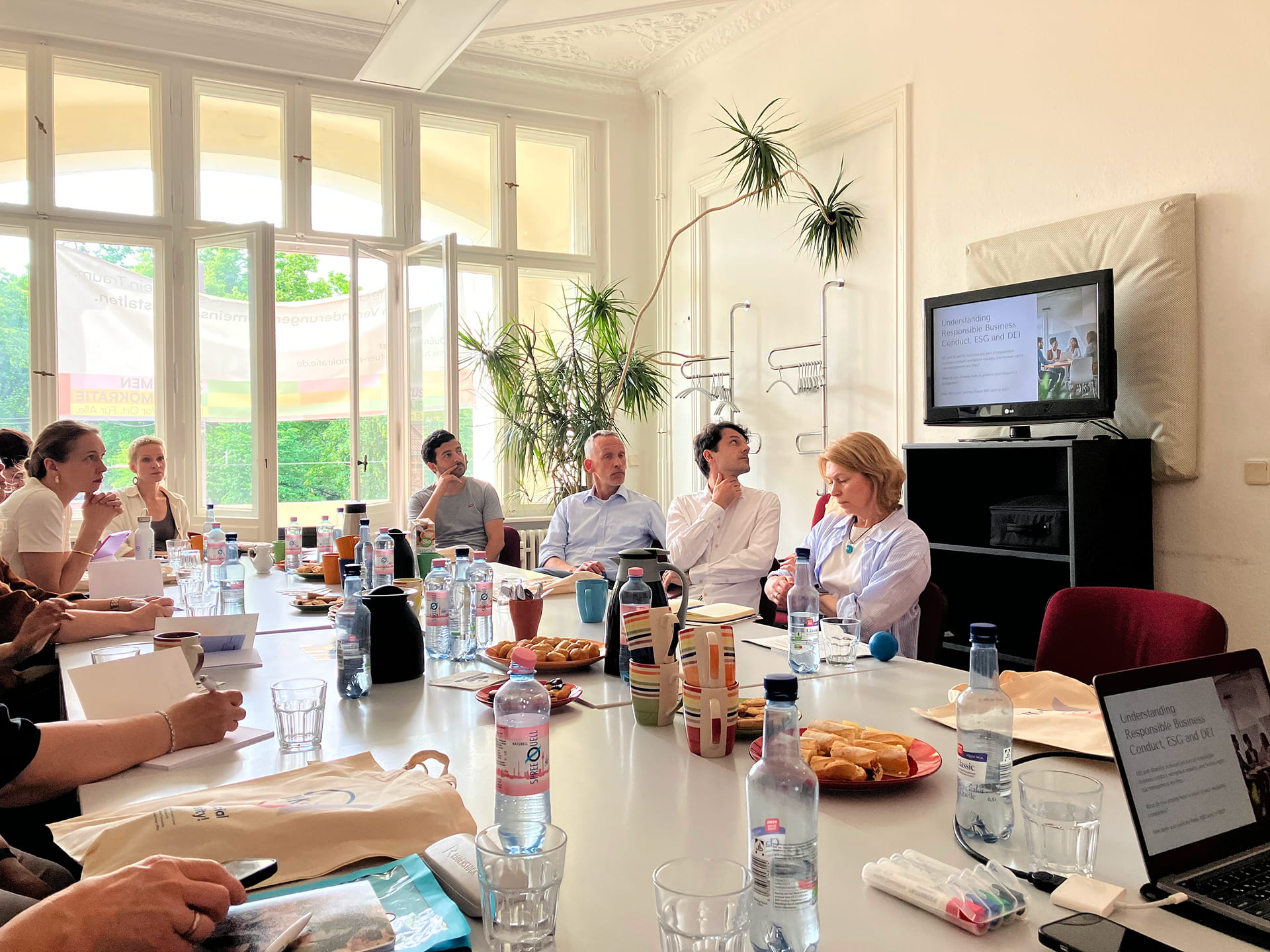
Training sessions in Berlin

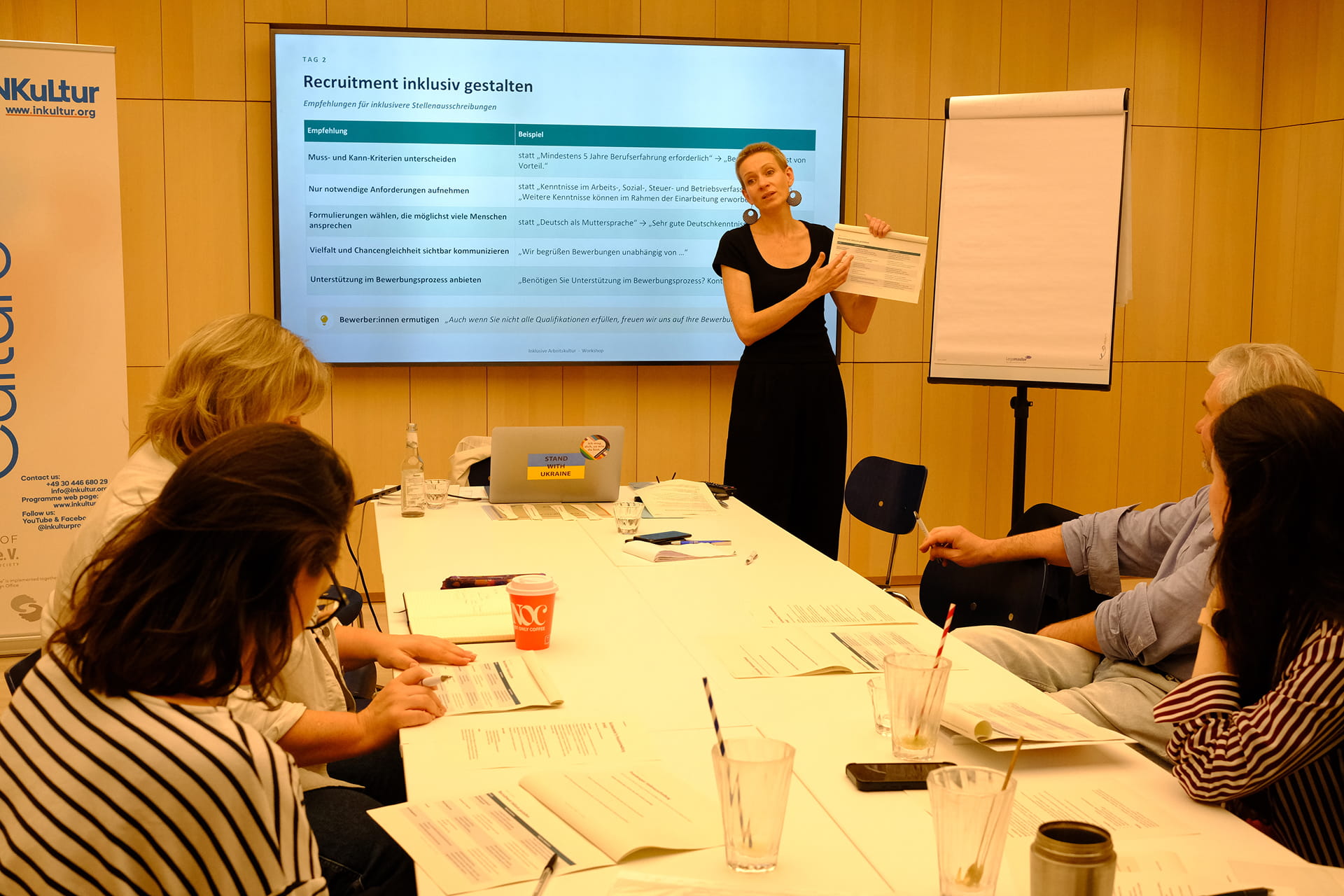
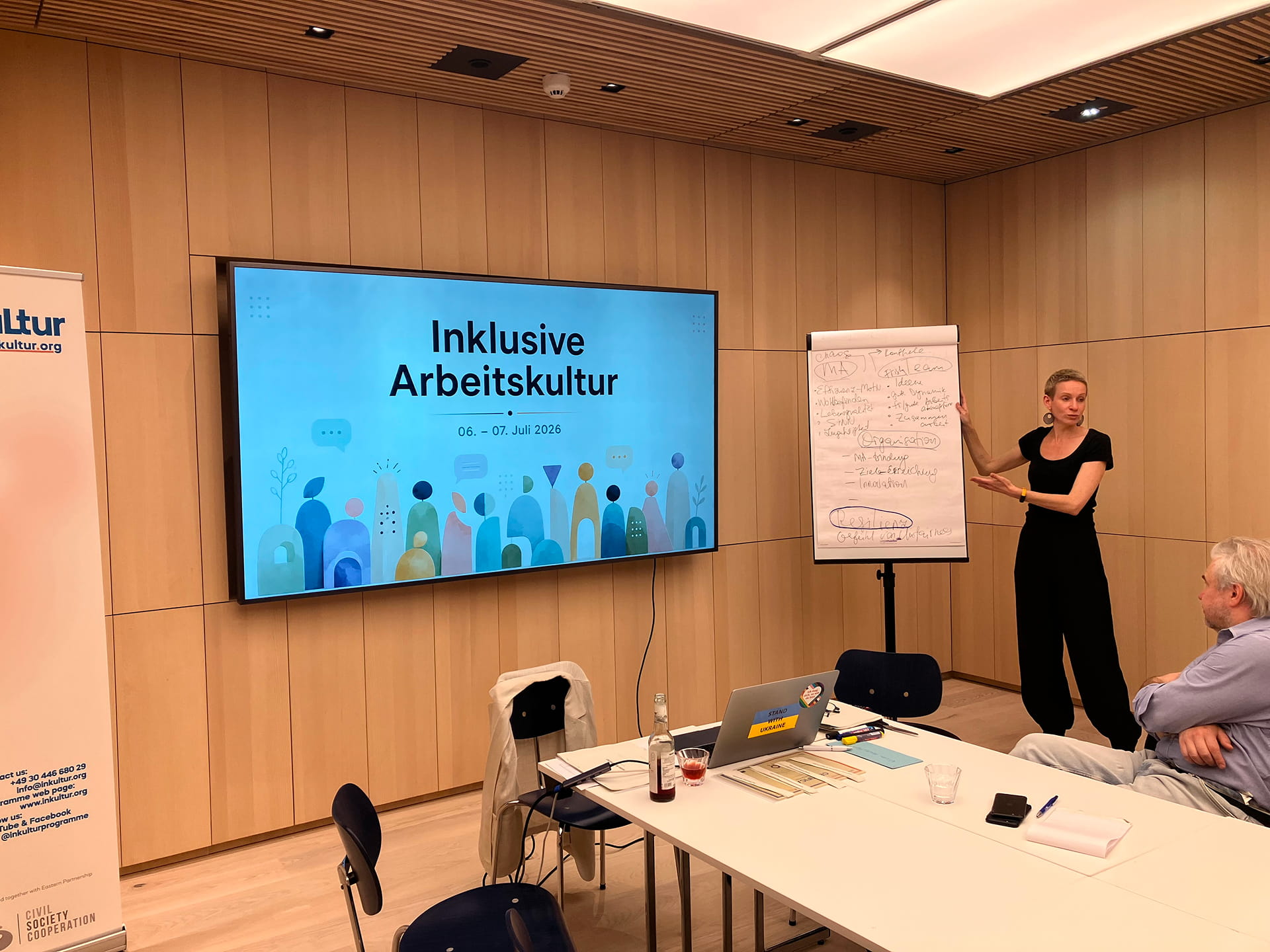
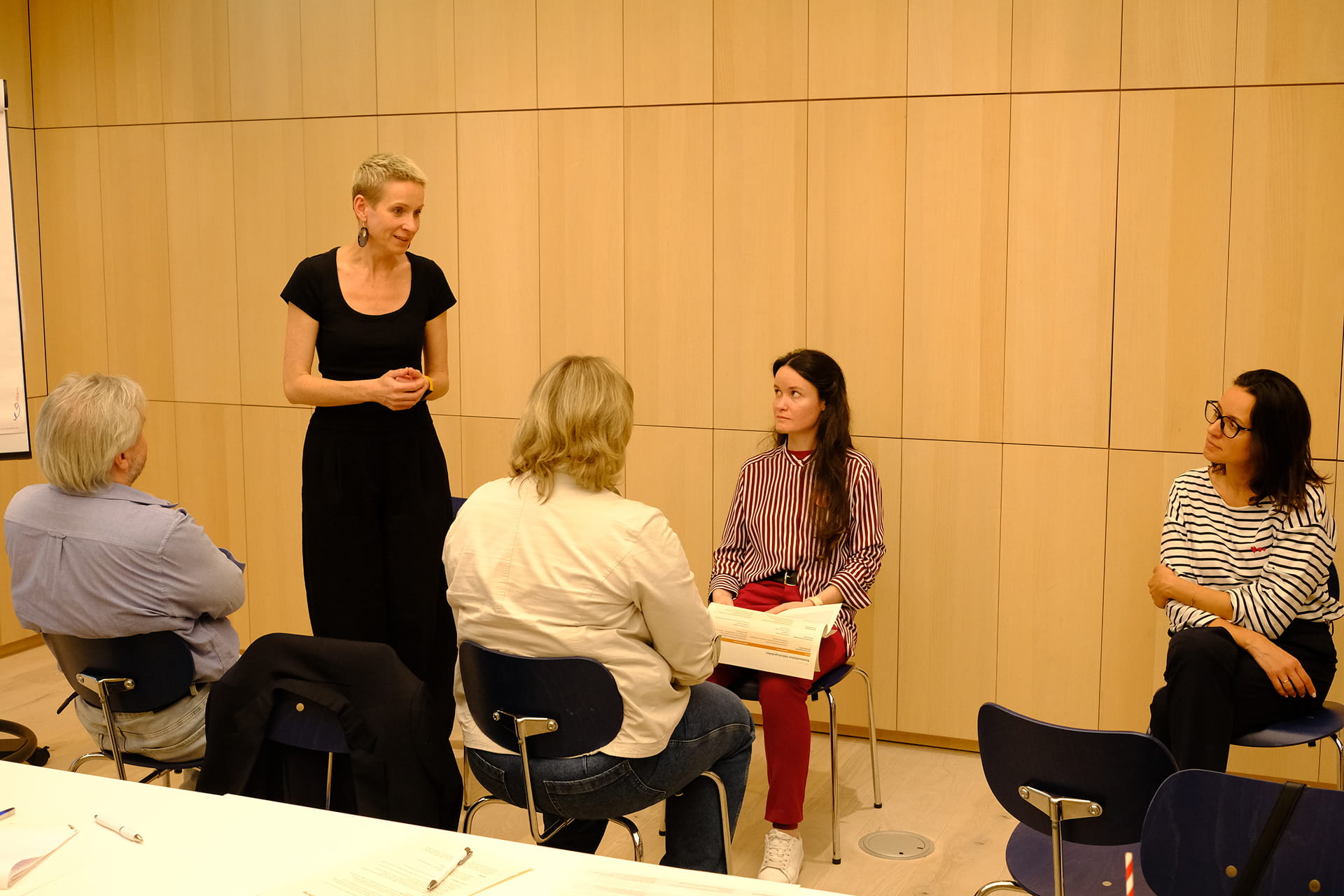
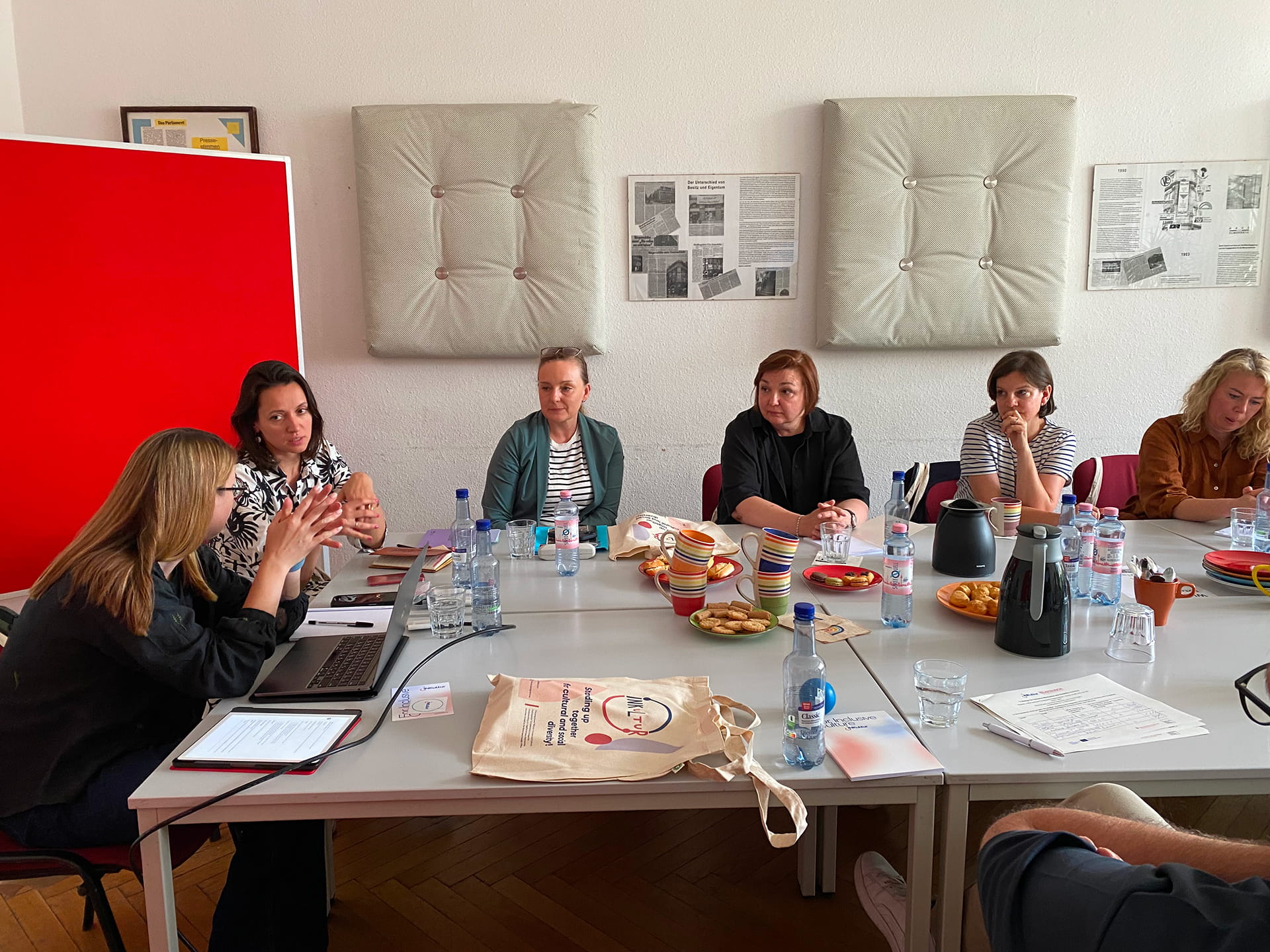
On 6 and 7 July, participants joined training sessions on fostering an inclusive workplace culture. With trainer Daria Lazarieva, they explored respectful communication, team diversity, conflict prevention and ways to reduce barriers at work and in everyday life. The focus was on practical situations, role-play, reflection and sharing experiences—not abstract concepts alone.

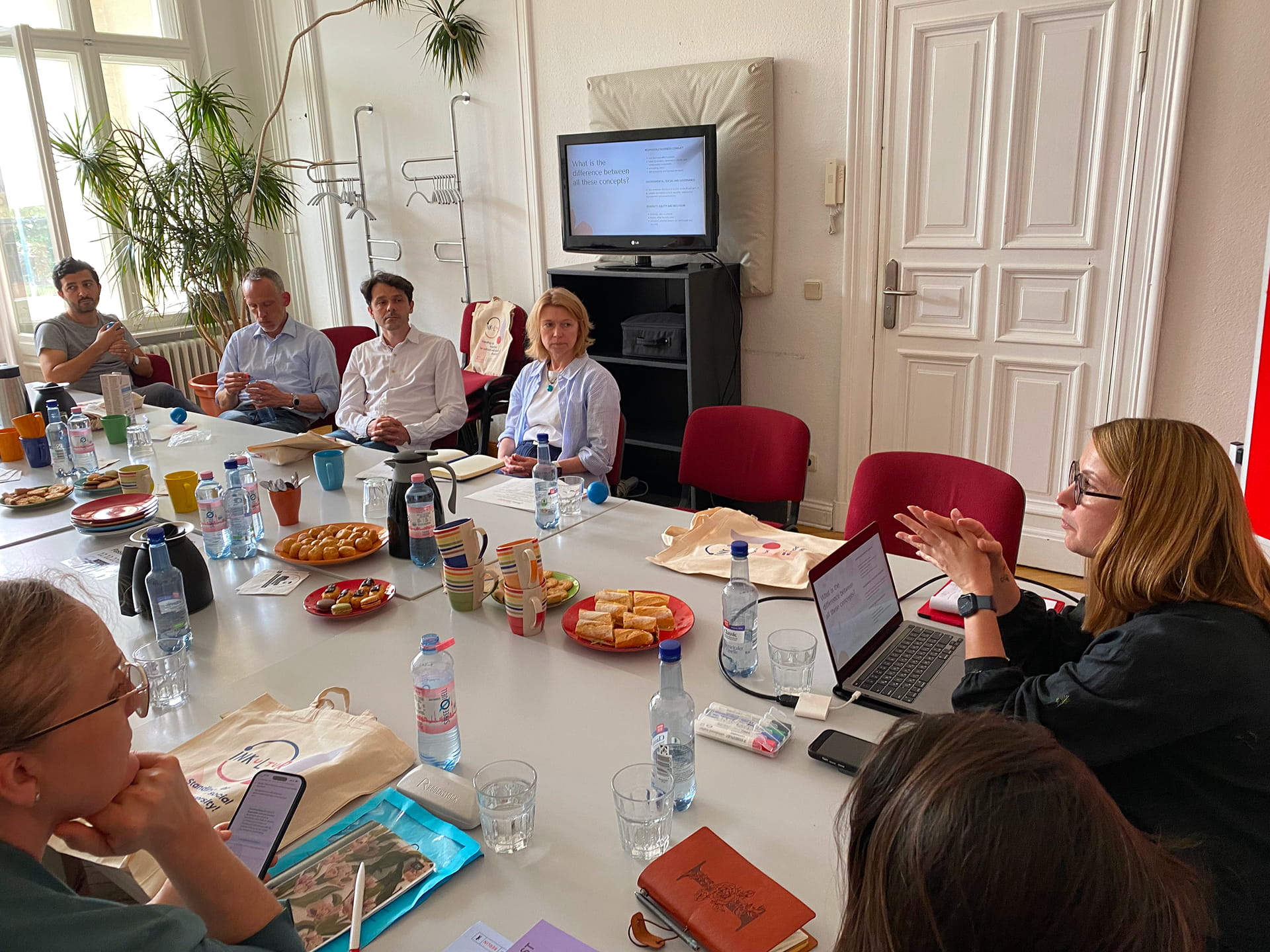
On 8 and 9 September, Berlin hosted the first two sessions on inclusive workplace culture and disability inclusion, delivered with trainer Iryna Fedorovych.

Inclusive practices can strengthen teamwork, workplace culture and communication with customers and partners. By understanding and responding to different needs, organisations can build stronger teams and create a more welcoming environment for everyone.

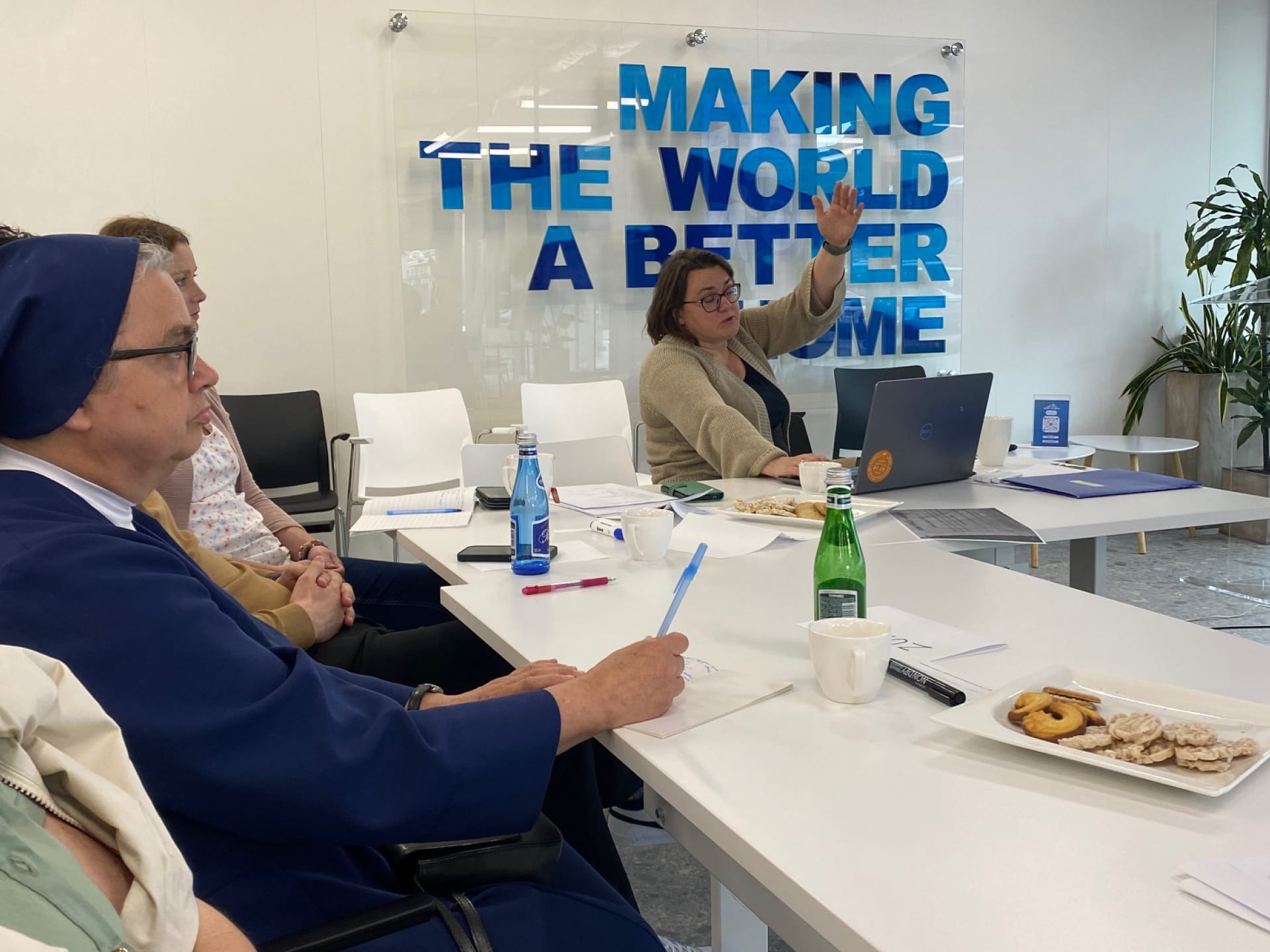
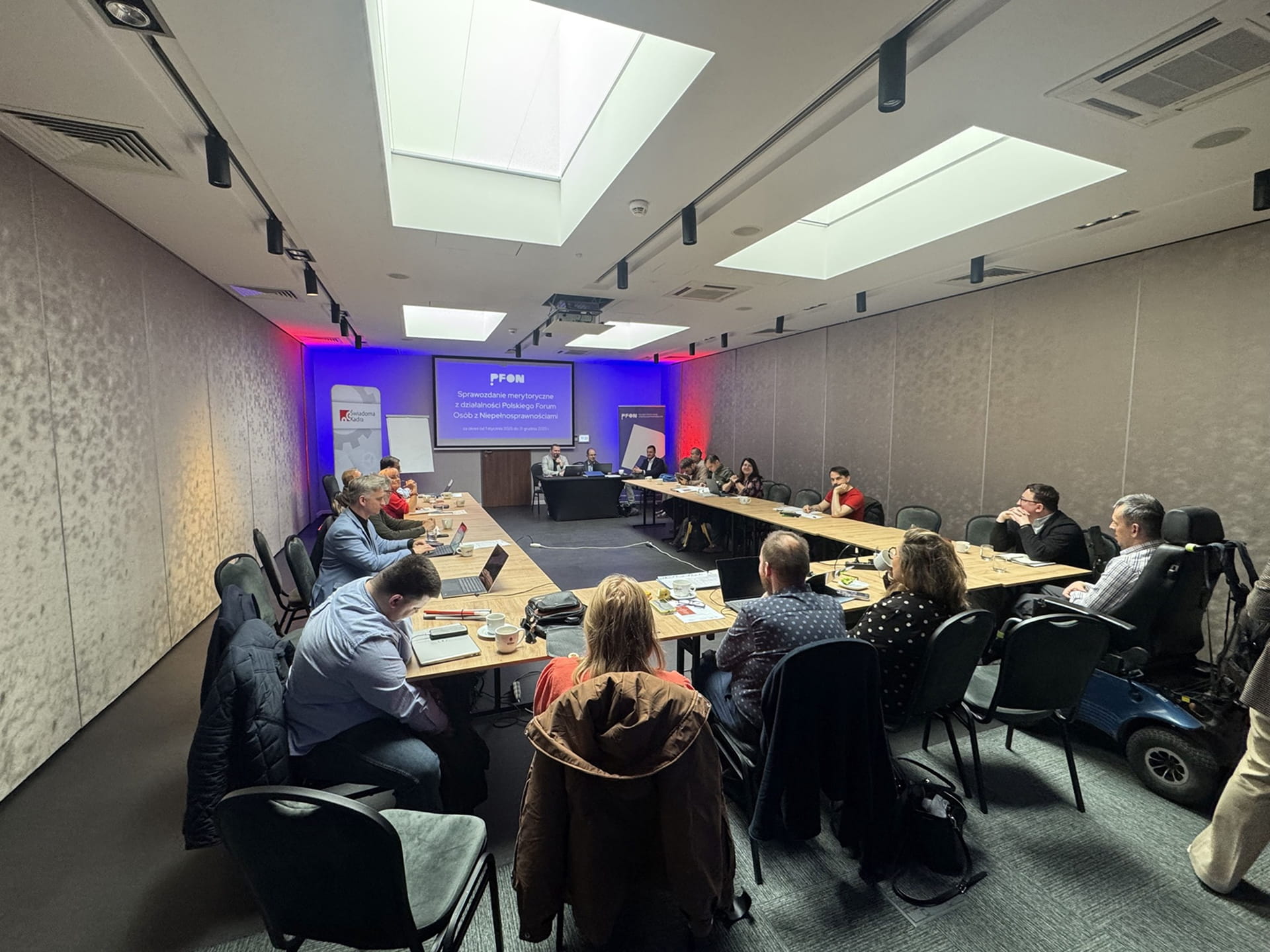
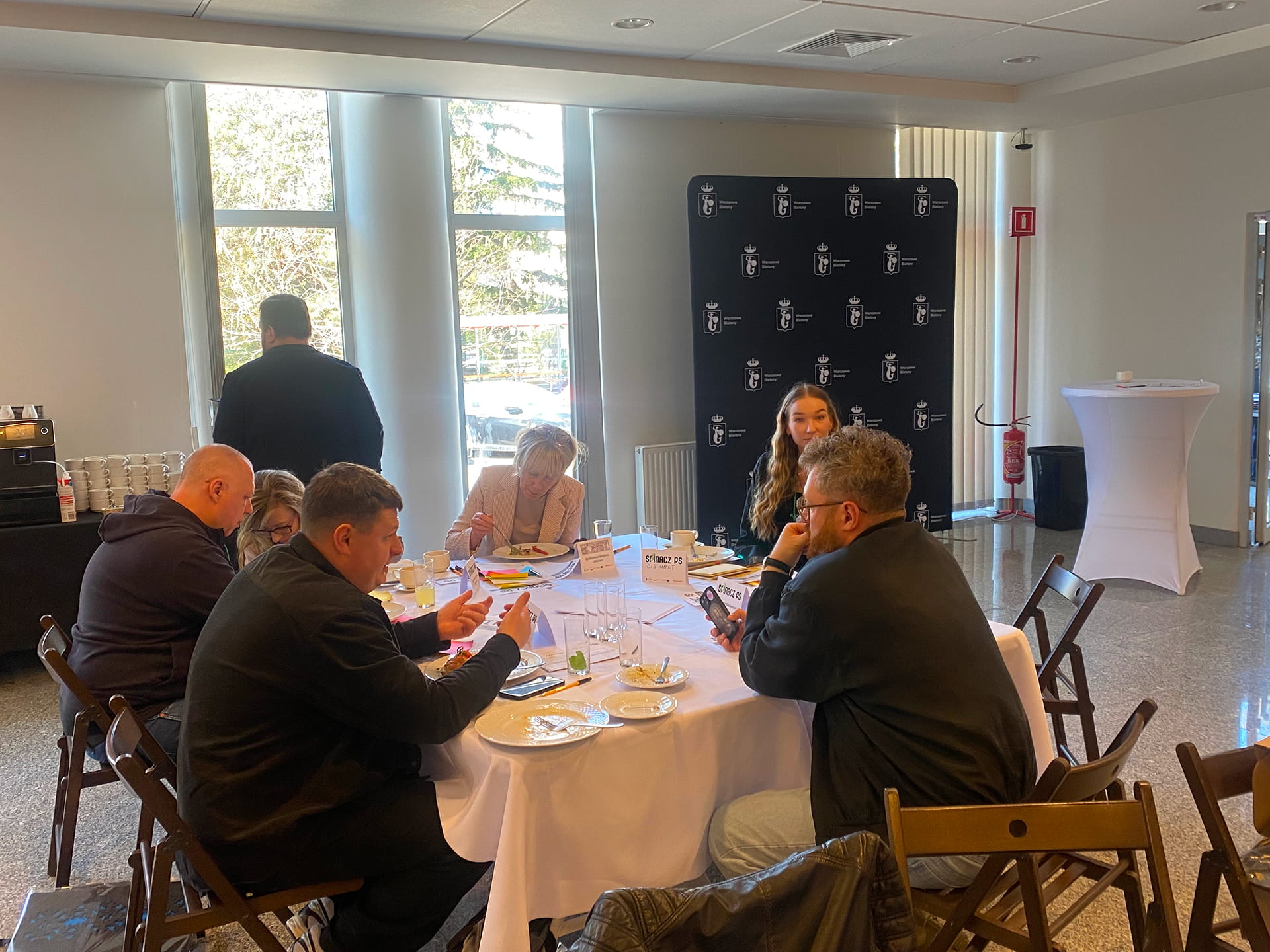
Training sessions in Warsaw

21.04.2026 – 28.04.2026 The training sessions reached business representatives across seven sessions, giving companies practical and legal grounding for supporting employees with disabilities and their carers, including refugees from Ukraine.